The hack that converts crucifers into an anti-cancer powerhouse
By Sari Huhtala
When it comes to food prep, this one small action when preparing and eating cruciferous vegetables will transform your veggies from just being nutritious to an incredible anti-cancer, anti-inflammatory detoxifying food.
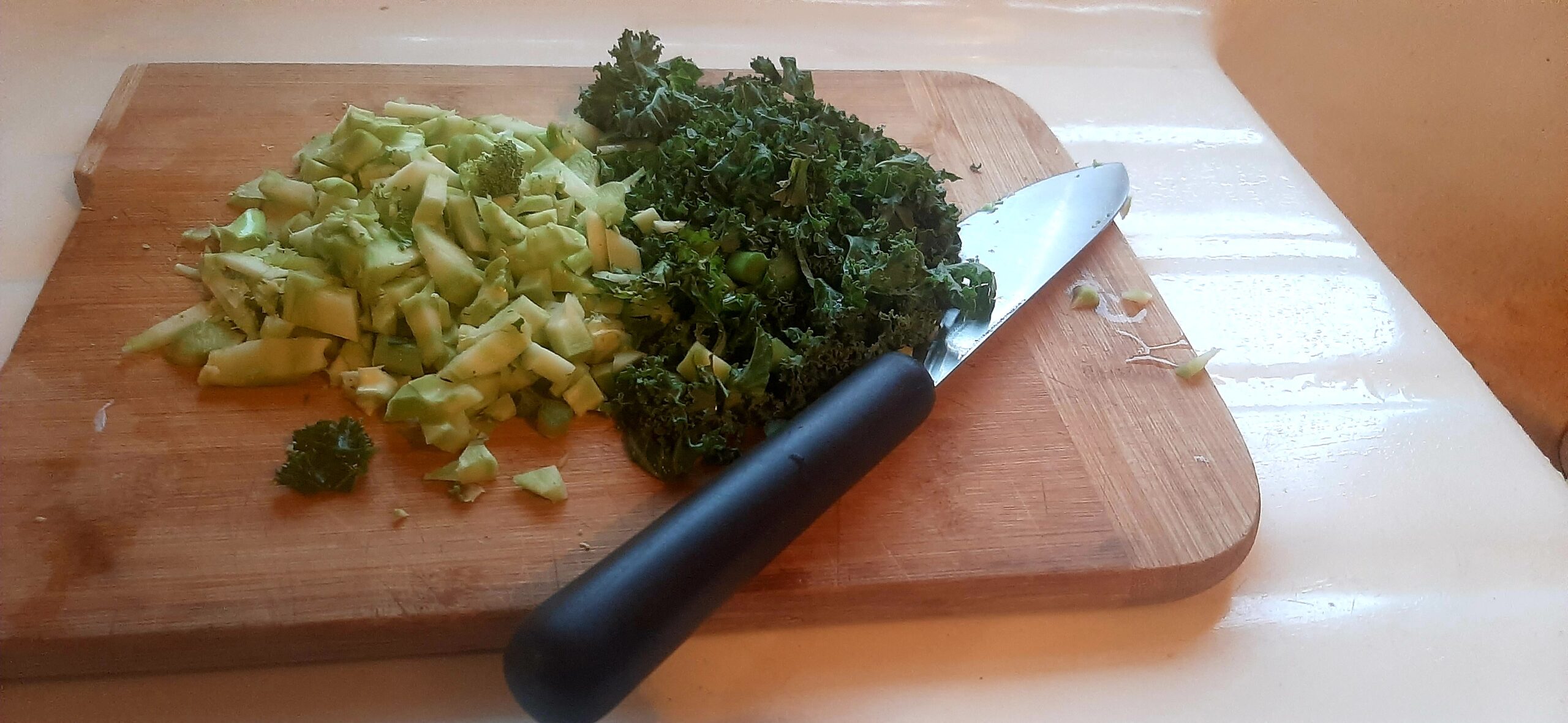
We all know that chewing food well activates enzymes that are key to gut health, but did you know that in order to get the absolute most nutrition from cruciferous veggies they need to be chopped, then left to sit for at least 60 to 90 minutes? This chop-and-wait hack is well worth the effort if super nutrition is your goal.
The prized compound that is produced in cruciferous vegetables is sulforaphane. However, sulforaphane is only produced when the naturally occurring compound in the veggie – glucoraphanin – comes in contact with the enzyme myrosinase. How does this happen? When the cell membrane is broken. When the crucifer is chopped, glucoraphanin mixes with the enzyme, and it takes 40 to 90 minutes for the enzyme to convert to maximum levels of sulforaphane.
Chewing activates the enzyme, but doesn’t give enough time for sulforaphane levels to skyrocket for maximum health benefits.
To get the most bang for your nutrition buck, chop and wait, and eat raw crucifers, and chew them well. Raw broccoli has about 10 times more sulforaphane than cooked broccoli, according to a 2008 study in the Journal of Agriculture and Food Chemistry.
If cooking crucifers, chop and wait, otherwise the enzyme dies before sulforaphane can be created. Avoid boiling crucifers. Instead, lightly steam the vegetables or lightly sauté. Sulforaphane is somewhat heat stable. It is sensitive to long cooking and high temperatures. The takeaway? Best to eat crucifers raw.
You can use mustard seeds to boost your cooked crucifers. Mustard seeds and greens are high in the enzyme myrosinase. Adding half a teaspoon of ground mustard seeds, or raw chopped mustard greens, to cooked crucifers will actually provide a boost of the raw enzyme, enough to bring back the levels of sulforaphane similar to that in raw crucifers, according to a 2026 article in the peer-reviewed journal Scientific Reports.
Sources of sulforaphane from cruciferous vegetables
Broccoli is the top source for sulforaphane. And 3-day old broccoli sprouts have up to 100 times more of the precursor glucoraphanin than mature broccoli.
Other cruciferous vegetables that have the enzyme and glucoraphanin that can convert to sulforaphane include cauliflower, Brussels sprouts, cabbage, kale, mustard greens, watercress, kohlrabi.
Although other vegetables like rutabagas, horseradish, collard greens, arugula and horseradish fall within the cruciferous family, some either don’t contain enough of the enzyme or the glucoraphanin compound to convert to significant sulforaphane.
Adding chopped crucifers to salads, I find, is the easiest way to boost nutrition with sulforaphane.
Sari Huhtala is the creator, publisher and editor of Alive and Fit Magazine, which was created in 2007. She has over 25 years of experience in journalism and over 15 years of experience as a certified personal trainer and fitness instructor, and is a holistic chef, offering holistic cooking and edible wilds workshop, and My Farmacy workshops. She is an organic farmer, wild-crafter and grandmother, who has spent over 20 plus years navigating a holistic, healthy path for her family. Reach her at friends@thelaughingforest.ca