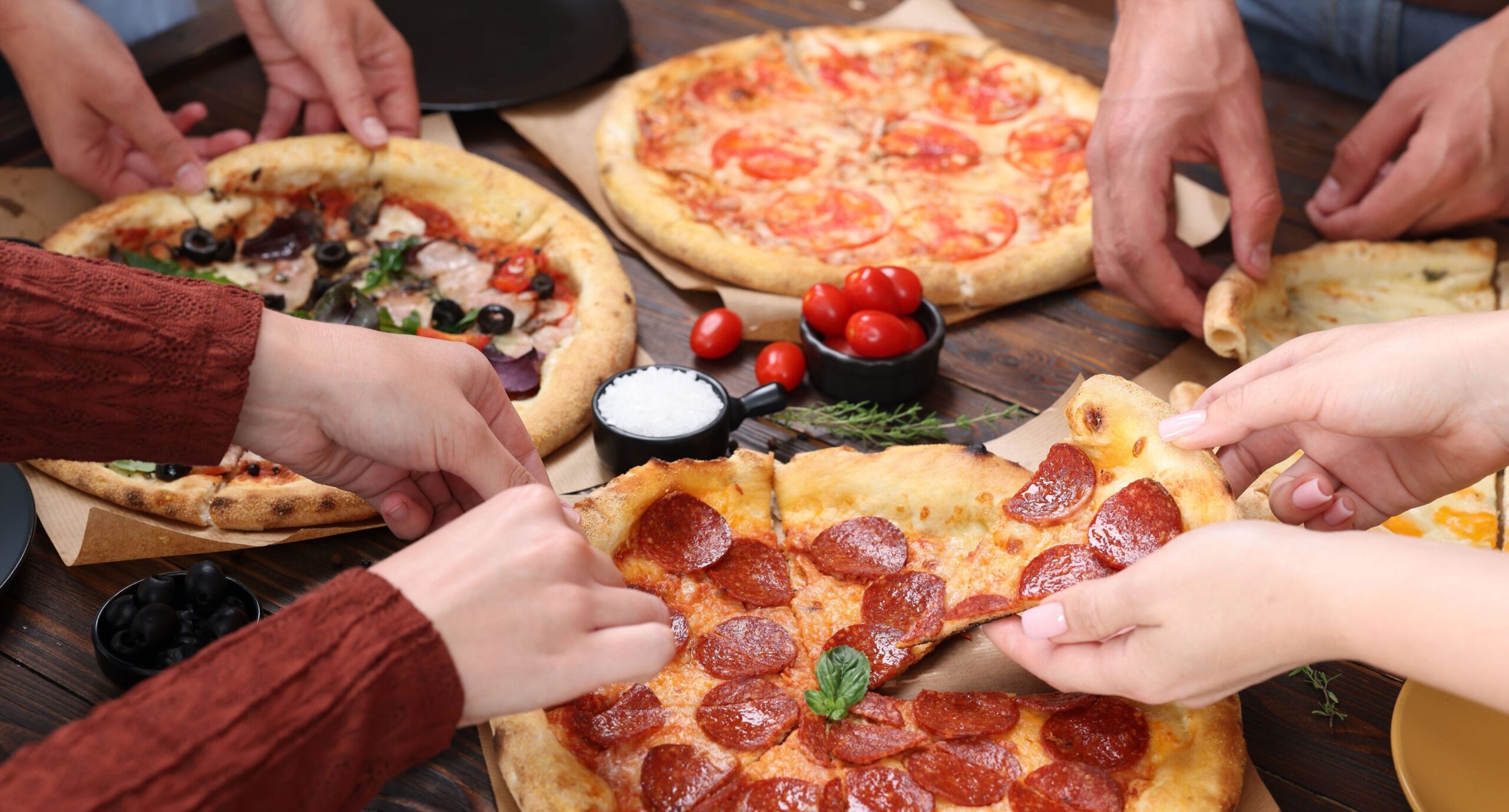
Cheese lovers, meat eaters face 400 per cent increase in cancer risk, study says
By Sari Huhtala
Individuals between the ages of 50 and 65, who consume a daily diet made up of 20 per cent or more in animal protein, have a 400 per cent increased risk of cancer mortality, according to a 2014 study in the journal Cell Metabolism. In other words, diet creates the condition for cancer to thrive.
Here’s the science behind how the risk increases every time you consume any animal protein – whether it’s chicken or a hamburger, eggs, cheese, milk or fish – it includes all animal protein.
Animal protein is high in essential amino acids. Those amino acids trigger the liver to produce and release IGF-1 hormone into the bloodstream. IGF-1 promotes cell growth and cell division. While this hormone is important for growth in children and young adults, research draws a distinct correlation between high levels of IGF-1 in the bloodstream and tumour growth. Low levels of the hormone in adulthood are linked to longevity and good health, according to researchers.
So, if you consume yogurt at breakfast, a chicken salad at lunch and a hamburger for dinner, your body is continually triggering the release of IGF-1 into the bloodstream.
This explains why, in the book The China Study cancer rates were highest amongst the affluent population, and barely non-existent amongst peasants who were consuming a plant-based diet.
Dairy proteins, research shows, are particularly powerful in raising IGF-1 circulation in the bloodstream.
Yet, most people would rather die than have to give up cheese. We even have festivals celebrating poutines with droves of people attending these poutine festivals.
Plant-based proteins, on the other hand, are linked to lower IGF-1 levels circulating in the blood. While it may not be necessary to eliminate animal proteins entirely, unless you’re dealing with cancer, eating animal foods in moderation and scaling up plant-based foods to give the body a break is a step in the right direction.
Besides, only plant-based foods have fibre, and fibre is what helps the gut heal and creates a healthy microbiome for immunity and good health. If you are planning to follow a plant-based diet, it must be planned plant-based, so that you have nutritional balance in your meals.
I wonder if there will ever come a time when oncologists prescribe a third world diet when working with patients? About 80 per cent of chronic diseases can be managed and even reversed through lifestyle medicine, particularly when focused on a real-food, plant-based diet, according to National Institute of Health research.
At least we know we have a choice. What will you choose?
(This information is not intended to replace medical advice and treatment from a health care practitioner).
Sari Huhtala is the creator, publisher and editor of Alive and Fit Magazine, which was created in 2007. She has over 25 years of experience in journalism and over 15 years of experience as a certified personal trainer and fitness instructor, and is a holistic chef, offering holistic cooking and edible wilds workshop, and My Farmacy workshops. She is an organic farmer, wild-crafter and grandmother, who has spent over 20 plus years navigating a holistic, healthy path for her family. Reach her at friends@thelaughingforest.ca
Photo credit: © Africa Images via Canva.com