Tongue scraping: easy age-old practice boosts immunity
By Mercedes Kay Gold
Brushing your teeth promotes outstanding oral health. A regular regime helps ward off more than bad breath and cavities, but rather a crucial connection to overall health. Bacteria from the mouth enters the bloodstream, potentially causing a cascade of complications. From both gum and cardiovascular diseases to diabetes to inflammation throughout the body, oral health is essential. Removing bacteria in the mouth is part of a happy holistic lifestyle. For optimal oral love, there’s an ancient Ayurvedic tradition to add as a morning ritual. Have you heard of jihwa prakshalana? For thousands of years, the people of India have been tongue brushing.
Tongue scraping is superb for removing ama, a fancy name for the toxic buildup in the mouth that accumulates overnight.
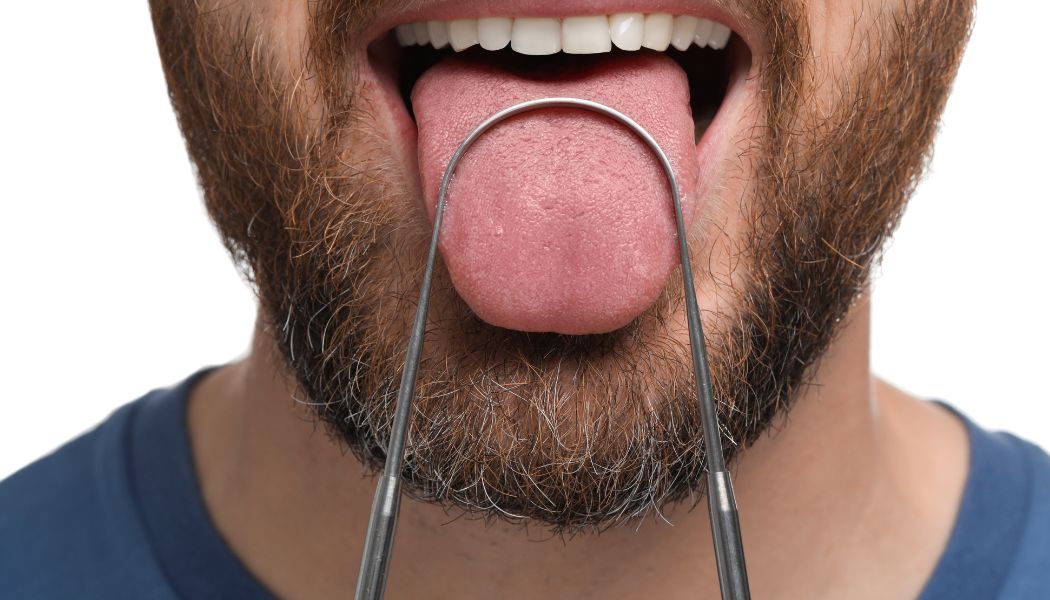
What is it? Tongue scraping is the practice of using a tool to gently scrape the surface of the tongue.
Why tongue scrape?
Removing the bacteria, food debris missed brushing and dead cells helps support overall health. Tongue scraping is said to banish bad breath, aid digestion and improve your sense of taste. It’s also an easy way to boost immunity, preventing toxins from being reabsorbed into the bloodstream.
What do I use?
This simple u-shaped tool, a handle with a head that you drag from the back of the mouth to the front. Tongue scrapers were originally made of twigs, whalebone and even tortoise, but today plastic or metal are the easiest to find, but copper is cream of the crop. The gleaming metallic magical tool is thought to have antibacterial properties. Once only found in local health food stores, due to increasing popularity, big box stores have embraced the age-old art, stocking the shelves with slews of scrapers.
When do I scrape?
First thing in the morning is the best time. Roll out of bed and head straight to the bathroom. It never hurts to add a second scraping before bed to remove the layer of coating accumulated throughout the day. Once done, brush and floss.
How do I do it?
First rule: No brushing, flossing, mouthwash or rinsing, please. Look in the mirror. Stick out your tongue. Start the scraper at the very back of the tongue and run it front to back repeatedly, rinsing the tool between each scrape. Two or three times is typical, but this health nerd recommends as many times as needed to remove the visible film. Be mindful to not press too hard, potentially injuring your tongue.
What should I look for?
A healthy tongue is pink with small bumps on its surface called to papillae. If you are dehydrated, your tongue will look dry and the film from scraping may have a yellowish or whitish coating.
Start scraping today. Go ahead and give this inexpensive oral-boosting bevy of benefits a try for top-notch tongue cleaning. The study, Effects of tongue cleaning on bacterial flora in tongue coating and dental plaque, shows that scraping reduces the number of bacteria in the tongue coating alongside toothbrushing and leads to a healthy oral environment. Another study, The effect of tongue scraper on mutans streptococci and lactobacilli in patients with caries and periodontal disease, found tongue scraping twice a day for one week had a “significant” effect on the bacteria and reduced bad breath.
Mercedes Kay Gold is a Certified Personal Trainer and Certified Holistic Nutritionist who loves helping others live their best life when not spending time with her children and grandchildren, Theodore and Aila. She can be reached at mercedeskaygoldfitness@gmail.com
Photo credit: © Africa via Canva.com