Mineral deficiency early warning signs and simple mineral-rich boosters
By Dr. Nathalie Beauchamp, DC
When people think about supplementing their diet, vitamins tend to come to mind first — vitamin C for immunity, vitamin D for bones, B vitamins for energy. What is far less understood is that these vitamins often can’t function without minerals working alongside them. Minerals serve as cofactors, the essential partners that enable vitamins to participate in key biochemical reactions. Without enough minerals, you’re providing the raw materials, but the body lacks the means to activate and use them.
Minerals form the operational foundation of human physiology. They activate enzymes, maintain the electrical gradients cells rely on for communication and nutrient transport, and supply structural components for bones and connective tissue. They’re involved in hundreds of enzymatic reactions that control muscle function, hormone synthesis, energy production, and detoxification. When mineral intake is chronically low, the effects tend to show up in nonspecific ways: persistent fatigue, poor sleep, slow recovery, and difficulty managing stress. These are easy to attribute to other causes, which is part of why mineral insufficiency often goes unaddressed.
Suboptimal mineral status often explains why a person can take multiple supplements yet feel little difference. It’s not that the vitamins aren’t needed; it’s that the metabolic switches to turn them on simply aren’t flipped.
The mineral foundation of cellular function
Every process in your body, from thought to movement to detoxification, relies on enzymes. Enzymes speed up chemical reactions that would otherwise be too slow to sustain life. But enzymes are inert without catalysts, and those catalysts are minerals.
Magnesium alone acts as a cofactor in more than 300 enzymatic reactions. It’s essential for producing ATP, the cell’s primary energy currency. It regulates calcium flow into and out of muscle cells, which is how muscles contract and relax. It supports mitochondrial function, DNA repair, and the body’s ability to manage stress hormones. (1) Without adequate magnesium, energy production stalls throughout your metabolism—not just muscle function.
Zinc supports over 200 enzyme functions, including those that synthesize proteins, replicate DNA, and build neurotransmitters. (2) Iron carries oxygen, ensuring mitochondria can complete cellular respiration. Selenium and iodine cooperate to regulate thyroid hormone activity, influencing how efficiently every cell burns energy.
Calcium, sodium, and potassium maintain the electrochemical gradients that allow nerves to fire, the heart to beat, and nutrients to cross cell membranes. These gradients are fundamental to how cells communicate and function.
When any of these minerals fall below optimal levels, the vitamins that depend on them become less effective. Magnesium is needed to activate vitamin D.(3) B vitamins require magnesium to participate in energy metabolism. (4) Folate and B12 need iron and copper to support methylation. (5) The relationships are specific and well-documented. Minerals aren’t just helpful for vitamin function. In many cases, they’re a prerequisite for it.
Macro and trace minerals: the two pillars of mineral balance
The body’s mineral needs fall into two categories. Macro-minerals, which include magnesium, calcium, sodium, potassium, and phosphorus, are the ones your body uses in larger quantities. They’re responsible for structural integrity, fluid balance, and electrical conductivity. Then there are trace minerals like zinc, iron, selenium, iodine, copper, manganese, chromium, and molybdenum. The body needs far less of these, but they’re no less important. These are the minerals that regulate enzymatic and hormonal processes throughout the body.
Both categories have to be adequate for the body to function well. You can have perfect trace mineral levels, but if magnesium and potassium are depleted, nerve and muscle function will still suffer. Conversely, loading up on calcium and magnesium while ignoring zinc or selenium won’t resolve immune dysfunction or thyroid problems.
This is why single-mineral supplements rarely solve complex, multi-system issues like chronic fatigue or hormonal imbalance. In simple terms, macro-minerals build the house; trace minerals keep the lights on. It’s not about adding one missing nutrient — it’s about reestablishing the entire electrical field in which nutrients interact.
Key minerals and what they do
Rather than ranking minerals in order of importance since the body needs all of them, and their functions overlap, it’s more useful to understand what each one does and why a deficiency matters.
Magnesium is probably the most broadly important intracellular mineral. It’s involved in nerve transmission, blood sugar regulation, muscle relaxation, and energy production at the mitochondrial level. Despite this, most people don’t get enough. Modern-day agricultural practices have progressively depleted the soil of magnesium over the past century, and certain lifestyle factors like high stress, too much caffeine, alcohol, and refined sugar consumption accelerate its excretion through the kidneys.(6)
Zinc governs immune function, hormonal balance (including testosterone and estrogen metabolism), wound healing, appetite regulation, and the production of neurotransmitters like serotonin and dopamine.(7) When zinc is low, immune response weakens, cuts heal slowly, and even our sense of taste and smell can be diminished.
Iron carries oxygen from the lungs to every tissue. Without it, cells can’t produce energy aerobically, which is why iron-deficiency anemia can cause fatigue, brain fog, and poor exercise tolerance. But iron is a double-edged nutrient: too little starves cells of oxygen, while too much generates free radicals and oxidative damage. (8) Proper iron metabolism also depends on copper and vitamin A, which is why supplementing iron by itself sometimes doesn’t resolve the problem.
Selenium and iodine are both essential for thyroid function, but play different roles. Iodine is a structural component of thyroid hormones (T3 and T4). Selenium is needed for the deiodinase enzymes that convert T4 into the metabolically active T3. A deficiency in either one can slow thyroid output, but the mechanisms are distinct, and supplementing one without considering the other can create new imbalances. (9)
Potassium and sodium regulate fluid balance, nerve conduction, and blood pressure. Potassium is the primary intracellular cation; sodium is the primary extracellular cation. Their ratio matters more than the level of either one by itself. Modern processed diets tend to be high in sodium and low in potassium, which disrupts this ratio and contributes to hypertension, fluid retention, and impaired cellular nutrient transport. (10)
Calcium is best known for its role in bone density, but it’s also critical for nerve signalling, muscle contraction (including cardiac muscle), and hormone secretion. Calcium metabolism is tightly regulated by vitamin D, magnesium, and vitamin K2. Taking calcium supplements by itself without these partners can actually deposit calcium in arteries and soft tissues instead of bones, creating more problems than it solves.(11)
Trace minerals like copper, manganese, chromium, and molybdenum are needed in very small amounts, but perform essential functions. Copper helps load iron into hemoglobin and is required for collagen synthesis. Manganese is a cofactor for enzymes involved in energy production and connective tissue maintenance. Chromium improves insulin receptor sensitivity and helps stabilize blood sugar. Molybdenum is needed for enzymes that process sulphur-containing amino acids and certain toxins in the liver.
These minerals work together through specific ratios and feedback loops that science is still mapping out completely. This explains why fixing one mineral deficiency often requires attention to others—and why taking multiple supplements without testing can sometimes create new imbalances rather than solve existing ones.
How our modern lives are contributing factors for deficiency
For most of human history, people obtained minerals from untreated water, mineral-rich soil, and unprocessed food. That supply chain has broken down in several ways.
Industrial agriculture focuses on maximizing yield, not nutrient density. Standard fertilizers replace nitrogen, phosphorus, and potassium (the NPK model) but ignore the dozens of trace minerals that plants once absorbed from healthy soil. Decades of continuous cropping, monoculture, and erosion have progressively stripped farmland of magnesium, zinc, selenium, and other elements critical to human nutrition. Studies comparing the mineral content of crops today versus 50 or 70 years ago consistently show declines. (12)
Water processing compounds the problem. Modern treatment removes naturally occurring minerals for purity. Filtered water and most bottled water, while cleaner from contaminants, lack the electrolyte profile found in untreated spring or well sources our ancestors drank.
On top of that, some common dietary habits and lifestyle factors can actively deplete mineral reserves from your system. Chronic stress raises cortisol levels, prompting faster kidney excretion of magnesium and potassium. Regularly eating refined carbohydrates, sugary treats, and high-glycemic processed foods ramps up magnesium demand to manage insulin response. Caffeine and alcohol function as diuretics that increase mineral loss through urine. Processed foods provide sodium overload without any of the trace minerals that whole foods contain naturally.
The cumulative result is what’s often called subclinical deficiency, that is, mineral levels that aren’t low enough to produce a diagnosable condition, but are well below what’s needed for the body to run efficiently. This shows up as persistent muscle tension, low-grade fatigue, anxiety, difficulty sleeping, slow metabolism, or a dependence on caffeine just to feel functional. These are so common that most people assume they’re just part of normal life. They aren’t.
Fortunately, you don’t need complex protocols to overcome this. Certain foods naturally rich in key minerals can restore the activation pathways your vitamins need.
Recognizing deficiencies: what to watch for
Mineral deficiencies rarely announce themselves with obvious symptoms. The body compensates by pulling minerals from less critical stores (bones, hair, skin) to keep vital organs running. By the time symptoms become noticeable, the deficit has usually been building for a while.
Here are some common symptoms of mineral deficiency to look out for:
- Magnesium Deficiency—Nighttime muscle cramps, anxiety/restlessness, poor sleep quality, heart palpitations, tension headaches, jaw clenching or teeth grinding.
- Zinc Deficiency—Frequent infections or slow recovery, thinning hair, mood swings, dulled taste/smell, white spots on nails, low libido.
- Iron Deficiency—Daytime fatigue, dizziness when standing, pale skin/lips, low exercise tolerance, brain fog, ice cravings.
- Selenium Deficiency—Sluggish thyroid, difficulty losing weight, brittle hair/nails, frequent illness.
- Iodine Deficiency—Always cold, unexplained fatigue/weight gain, constipation, dry flaky skin, thinning outer eyebrows.
- Potassium Deficiency—Muscle weakness, nighttime leg cramps, skipped heartbeats, constipation despite adequate fibre intake.
- Sodium Deficiency—Light-headedness, headaches, intense salt cravings, low blood pressure.
- Calcium Deficiency—Tingling fingers/toes, muscle spasms, brittle nails, irregular heartbeat, jaw tension/TMJ pain.
- Copper Deficiency—Fatigue despite iron supplements, weak immunity, anemia unresponsive to treatment, stretch marks.
- Manganese Deficiency—Joint stiffness, slow wound healing, consistently low energy, blood sugar issues.
- Chromium Deficiency—Carb/sugar cravings, blood sugar rollercoaster, irritability between meals, excess weight around waistline.
- Molybdenum Deficiency— Headaches in response to wine/dried fruit (sulphites), nausea after protein meals, brain fog.
Restoring mineral status with whole foods
Whole foods remain the best delivery system for minerals. When minerals come packaged in their natural matrix alongside the vitamins, fiber, fats, and other cofactors they evolved with, absorption is generally better and the risk of imbalance is lower.
Good dietary sources of magnesium include dark leafy greens like spinach and Swiss chard (79 mg per cooked cup), pumpkin seeds (535 mg per 100g), almonds (270 mg per 100g), black beans, and raw cacao powder or dark chocolate (70%+ cocoa). These provide magnesium alongside natural cofactors like B vitamins that aid absorption.
Zinc and iron are most concentrated in animal sources for optimal bioavailability—grass-fed beef (4-7 mg zinc/100g), oysters (78 mg zinc/100g, the highest natural source), lamb liver, and other shellfish. Plant sources like chickpeas, lentils, and pumpkin seeds work well when paired with vitamin C-rich foods (citrus, bell peppers) to overcome phytate blockers.
Brazil nuts remain the single richest food source of selenium—just 1-2 nuts daily deliver 100-200 mcg, meeting or exceeding requirements without supplementation. One ounce (6-8 nuts) provides several days’ worth, so portion carefully to avoid excess.
Iodine sources center on sea vegetables—nori sheets, kelp flakes, or wakame added to soups deliver concentrated amounts naturally. Wild-caught cod and shrimp provide reliable moderate levels.
Potassium-rich foods include avocados (485 mg/100g), sweet potatoes (337 mg/100g), bananas, coconut water, and leafy greens. White potatoes with skin also rank high (400+ mg per medium potato). The cooking method matters here—roasting or steaming preserves more potassium than boiling, which can leach minerals into cooking water.
It’s worth noting that mineral bioavailability varies between animal and plant sources. Heme iron from meat is absorbed at roughly 15–35 per cent, while non-heme iron from plants is absorbed at 2–20 per cent. (13) Pairing plant-based iron sources with vitamin C–rich foods significantly improves uptake. Phytates in grains and legumes can bind minerals and reduce absorption, but traditional preparation methods like soaking, sprouting, and fermenting help to break down phytates and release minerals for better use.(14)
A nutrient-dense diet emphasizing whole foods covers substantial mineral needs. That said, even the best diet may fall short of ancestral mineral density, which is why additional support can often make a real difference.
Mineral-rich salts as a simple tool
Unrefined salt is one of the easiest ways to reintroduce trace minerals into the diet. Unlike standard table salt, which is pure sodium chloride, stripped of everything else and often mixed with anti-caking agents, natural salts retain a complex mineral profile from their source environment.
Celtic Sea Salt, harvested from coastal tidal pools, retains notable amounts of magnesium and potassium alongside sodium chloride. Its moisture content reflects its mineral complexity.
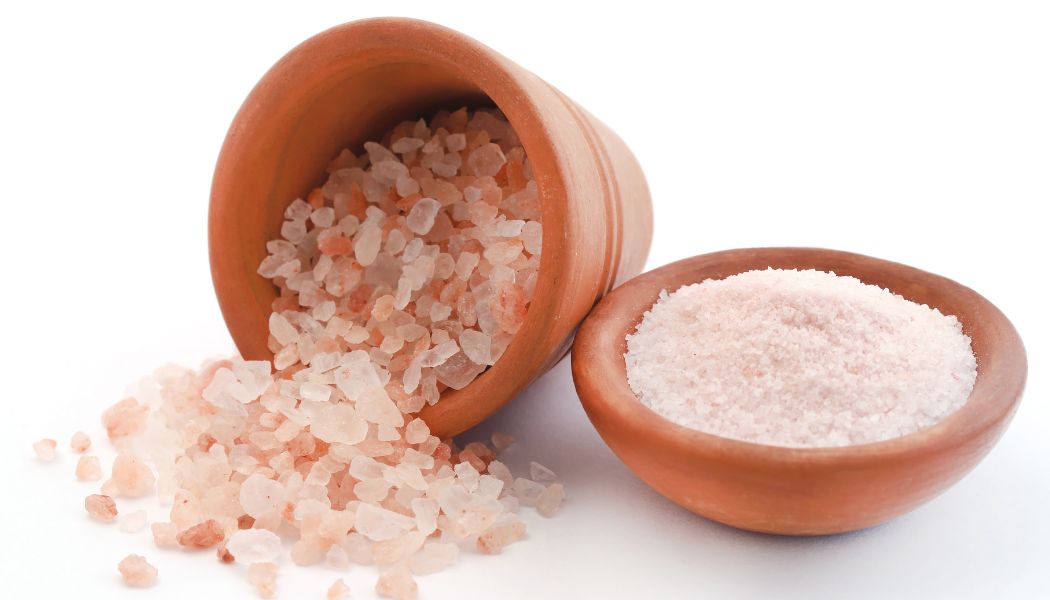
Himalayan Pink Salt, mined from ancient seabed deposits in Pakistan, contains iron and calcium, which give it its colour. Its magnesium content is generally lower than Celtic salt’s.
Baja Gold Salt, solar-evaporated from Pacific ocean water, contains a particularly broad spectrum of trace minerals — reportedly over ninety elements in small, naturally occurring concentrations.
Rotating between different types of unrefined salts introduces mineral variety, in the same way that eating different foods does. The point isn’t to increase sodium intake, it’s to replace the nutritionally empty refined salt most people use with something that carries a wider mineral payload.
Humic and fulvic minerals
For people whose trace mineral levels remain stubbornly low despite a good diet, humic and fulvic mineral complexes are another choice.
These substances are derived from ancient deposits of decomposed plant material — essentially, concentrated remains of prehistoric ecosystems. Over millions of years, microbial activity broke down organic matter into complex molecules rich in trace elements bound to carbon.
Fulvic acid is a small, biologically active molecule that acts as a mineral carrier. Its molecular structure allows it to chelate (bind) minerals and transport them across cell membranes more efficiently than many supplemental forms. Research suggests fulvic acid may also support mitochondrial function and help cells expel metabolic waste products. (15)
Humic acid is a larger molecule that works primarily in the gut. It has a strong affinity for binding heavy metals, pesticides, and other environmental contaminants, supporting their elimination through the digestive tract. Humic substances also appear to support gut barrier integrity, which matters because a compromised intestinal lining impairs mineral absorption. (16)
Together, fulvic and humic acids serve two purposes: they supply trace minerals in an organic, bioavailable form, and they improve the body’s ability to absorb and use minerals from other sources.
What happens as mineral stores are rebuilt
It needs to be said that replenishing mineral stores is not an overnight process. Depending on the depth of depletion and individual absorption capacity, meaningful restoration can take weeks to several months. Intracellular mineral levels change slowly because the body carefully regulates how quickly minerals are redistributed.
But as levels rebuild, the changes tend to be tangible. Sleep becomes deeper and more restorative. The nervous system becomes less reactive, stress doesn’t hit as hard, and recovery is faster. Energy stabilizes, digestion improves, and exercise tolerance increases.
These gradual shifts reflect the body’s underlying chemistry coming back into working order. When the mineral cofactors are in place, your vitamins finally do their job — and your body becomes more energized, balanced, and resilient.
Yours in health,
Dr. Nathalie
Dr. Nathalie Beauchamp, B.Sc., D.C., IFMCP is the author of the book—Hack Your Health Habits: Simple, Action-Driven, Natural Solutions For People On The Go, and the creator of several online health education programs. Dr. Nathalie’s mission is to educate, lead and empower people to take control of their health. She recently launched a new book https://smartcuts.life/
For health strategies and biohacking tips sign up for her newsletter at www.drnathaliebeauchamp.com
Photo credit: © bdspnimage via Canva.com
References
- Jahnen-Dechent W, Ketteler M. Magnesium basics. Clin Kidney J. 2012 Feb;5(Suppl 1):i3-i14. doi: 10.1093/ndtplus/sfr163. PMID: 26069819; PMCID: PMC4455825.
- McCall KA, Huang C, Fierke CA. Function and mechanism of zinc metalloenzymes. J Nutr. 2000 May;130(5S Suppl):1437S-46S. doi: 10.1093/jn/130.5.1437S. PMID: 10801957.
- Dai Q, Zhu X, Manson JE, Song Y, Li X, Franke AA, Costello RB, Rosanoff A, Nian H, Fan L, Murff H, Ness RM, Seidner DL, Yu C, Shrubsole MJ. Magnesium status and supplementation influence vitamin D status and metabolism: results from a randomized trial. Am J Clin Nutr. 2018 Dec 1;108(6):1249-1258. doi: 10.1093/ajcn/nqy274. PMID: 30541089; PMCID: PMC6693398.
- Tardy AL, Pouteau E, Marquez D, Yilmaz C, Scholey A. Vitamins and Minerals for Energy, Fatigue and Cognition: A Narrative Review of the Biochemical and Clinical Evidence. Nutrients. 2020 Jan 16;12(1):228. doi: 10.3390/nu12010228. PMID: 31963141; PMCID: PMC7019700.
- van Rensburg SJ, Kotze MJ, Hon D, Haug P, Kuyler J, Hendricks M, Botha J, Potocnik FC, Matsha T, Erasmus RT. Iron and the folate-vitamin B12-methylation pathway in multiple sclerosis. Metab Brain Dis. 2006 Sep;21(2-3):121-37. doi: 10.1007/s11011-006-9019-0. Epub 2006 May 26. PMID: 16729250.
- Cazzola R, Della Porta M, Manoni M, Iotti S, Pinotti L, Maier JA. Going to the roots of reduced magnesium dietary intake: A tradeoff between climate changes and sources. Heliyon. 2020 Nov 3;6(11):e05390. doi: 10.1016/j.heliyon.2020.e05390. PMID: 33204877; PMCID: PMC7649274.
- Office of Dietary Supplements. (2026). Zinc – Health Professional Fact Sheet. https://ods.od.nih.gov/factsheets/Zinc-HealthProfessional/
- Office of Dietary Supplements. (2026). Iron – Health Professional Fact Sheet. National Institutes of Health. https://ods.od.nih.gov/factsheets/Iron-HealthProfessional/
- Office of Dietary Supplements. (2026). Selenium – Health Professional Fact Sheet. National Institutes of Health. https://ods.od.nih.gov/factsheets/Selenium-HealthProfessional/
- Office of Dietary Supplements. (2026). Potassium – Health Professional Fact Sheet. NIH. https://ods.od.nih.gov/factsheets/Potassium-HealthProfessional/
- Office of Dietary Supplements. (2026). Calcium – Health Professional Fact Sheet. NIH. https://ods.od.nih.gov/factsheets/Calcium-HealthProfessional/
- Bhardwaj RL, Parashar A, Parewa HP, Vyas L. An Alarming Decline in the Nutritional Quality of Foods: The Biggest Challenge for Future Generations’ Health. Foods. 2024 Mar 14;13(6):877. doi: 10.3390/foods13060877. PMID: 38540869; PMCID: PMC10969708.
- Zimmermann MB, Hurrell RF. (2007). Nutritional iron deficiency. The Lancet, 370(9586), 511-520. https://www.ncbi.nlm.nih.gov/books/NBK540969/
- Gupta RK, Gangolli R, Sharma NK. (2015). Reduction of phytic acid and enhancement of bioavailable micronutrients in food grains. Journal of Food Science and Technology, 52(2), 676–684. https://pmc.ncbi.nlm.nih.gov/articles/PMC4325021/
- Winkler J, Ghosh S, Horng M, et al. (2018). Therapeutic Potential of Fulvic Acid in Chronic Inflammatory Diseases and COVID-19. Int J Mol Sci, 19(11), 3496. https://pmc.ncbi.nlm.nih.gov/articles/PMC6151376/
- Dobrangh M, et al. (2026). Protective Effects of Humic Acid on Intestinal Barrier Dysfunction and Inflammation in Canine Cell Models. Front Vet Sci. https://pmc.ncbi.nlm.nih.gov/articles/PMC12837591/