Can you get enough calcium if you ditch the dairy?
By Mercedes Kay Gold, CNP, CPT
The latest version of Canada’s food guide encourages us to eat more plant-based foods. Canadians are reducing animal-based food consumption in record numbers. Whether for financial, environmental or the belief plant-based diets are the fast-pass to longevity, a question remains. After decades of milk being the go-to for calcium, can we get enough in the diet without dairy?
Dairy overall is an excellent source of calcium and vitamin D, crucial for building strong bones and teeth. Milk contains protein, zinc, vitamin A, B12, and an array of other minerals and vitamins but today’s milk is not ancestral. Unpasteurized milk is against the law in Canada, and modern-day milk has been compromised thanks to factory farming. Cows today are fed a diet high in grains, sprayed with glyphosate, fed antibiotics and the list goes on.
Yes, calcium is available in other foods. The industry fortifies breakfast cereals, alternative beverages and even orange juice. The problem is the body can’t absorb these non-dairy alternatives as easily.
Mother Nature on the other hand provides powerful plant foods, but one of the best sources of calcium is not from plants. Sardines, are receiving much media attention and the superfood is worthy. Whether you skip dairy, other animals are an option.
Depending on one’s age and sex, the amount of required calcium varies. The average adult should aim for minimum of 1000 mg of calcium daily. As a reference, one cup of cow’s milk contains 300mg of calcium.
Look at stats carefully. Keep in mind, the body absorbs the calcium found in fish easier than leafy greens, nuts, seeds and other choices in the plant kingdom. Also take into account the calories, carbohydrates or other health effects. For example, soy is genetically modified and choosing organic is key. Legumes would be a very high carbohydrate choice with excess fiber, potentially causing digestive distress. Nuts, albeit an outrageous source of omegas, the calorie count to reach the calcium goal would cause weight gain for the average person.
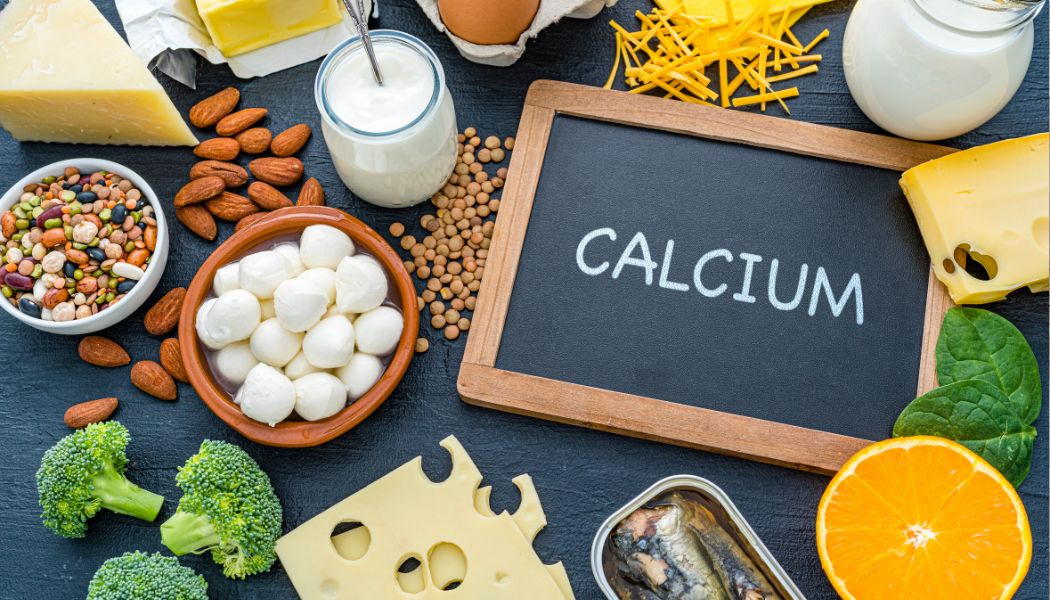
The average adult requires 1000mg daily for optimal support. The foods listed below have 300mg of calcium, the same as one cup of milk. Eat a wide variety of foods to obtain crucial calcium.
- 100 gr of canned sardines
- Almost 200 gr of canned salmon
- 115 grams of almonds
- 100 grams of firm tofu
- About a cup and a half of legumes
- About a cup of raw nuts
- Approximately 3 tablespoons of chia
- 10 figs
- Almost 3 cups of kale
- 7 cups of broccoli
Yes, you can meet calcium requirements without milk, but other problems may arise. Too much spinach for example, creates an overload of oxalates. Too many nuts and weight-management become problematic. Too many figs may leave you on the toilet.
For me personally, it can be challenging without my daily sardine and feta fix. My tummy doesn’t love cow’s dairy so there are a few cheeses outside goat or sheep that are good-to-go. Aged parmigiano Reggiano, blue cheese, and brie are belly bloat-free beauties. A figs and raw nuts on-the-go snack helps reach required daily value. Hope this helps.
Variety will always be best for optimal health. Fueling cells with an array of antioxidants, vitamins and minerals is the key overall wellness. Love yourself inside and out.
Mercedes Kay Gold is a Certified Personal Trainer and Certified Holistic Nutritionist who loves helping others live their best life when not spending time with her children and grandchildren, Theodore and Aila. She can be reached at mercedeskaygoldfitness@gmail.com