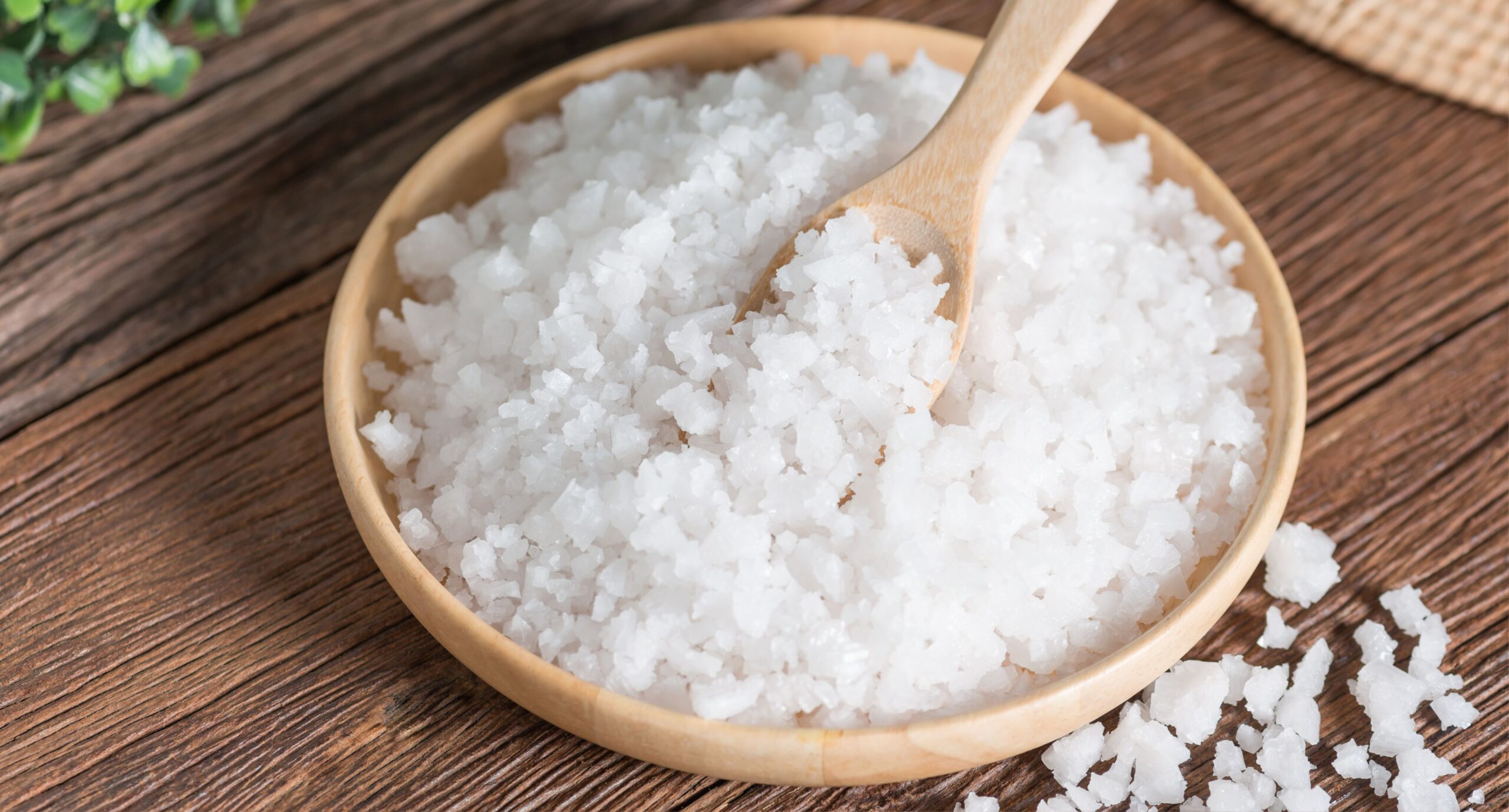
The secret ingredient in Epsom salts for asthma, ADD, stress, headaches and more
By Nonie DeLong, ROHP, CNP
Dear Nutritionist,
My question today is on a specific health problem I’ve had for years that doctors can’t figure out. I have this problem with twitching in my right lower eyelid. Sometimes it will be all day and sometimes just once a week. It really bothers me because you can actually see it. Any thoughts on what’s causing this or what I can do to treat it? — Wendy
Dear Wendy,
The symptom you mentioned is often linked to a deficiency of a particular nutrient. It’s very common today, it’s estimated that more than 75 per cent of us are deficient by our current RDI standards, and creates symptoms that can get diagnosed as a number of other issues. This is further compounded because only one per cent of this nutrient in your body is found in your blood — so blood tests may not detect depletion. Let me give you a symptom checklist and then we will discuss the nutrient I’m talking about. Readers, see if you can guess it!
Do you suffer from:
- Twitches
- Quivers
- Leg cramps
- Foot cramps
- Muscle spasms
- Hiccups
- Seizures
- Insomnia
- Restless sleep
- Fatigue and low energy
- Fibromyalgia
- Burnout syndrome
- Muscle pain
- Muscle weakness
- Aching, stiff muscles
- Anxiety
- Nervousness
- Worrying
- Depression
- Hyperactivity – especially in children
- High blood pressure
- Type II diabetes
- Headaches
- Migraines
- Bone density problems and easy fractures
- Spinal subluxations repeatedly
- Asthma
- Arrhythmia and palpitations
- Atherosclerosis (hardening of the arteries)
- Bunions
- Hormone problems including PMS
- Chocolate cravings
- Morning sickness
- Senility, memory problems
- Confusion
- PMS
As you can see, this nutrient is essential for a wide range of functions in the body. It’s crucial for relaxation of muscle fibres and for the use of calcium and potassium. It conjointly regulates these and imbalance causes all sorts of bone, muscle, and nervous system dysregulation. In my opinion, minerals are far more important than vitamins for optimal health. I feel they are the conductors of the regulatory signals in the body.
The need for this nutrient is often increased for those who:
- Consume too much sugar or have type II diabetes
- Take calcium supplements
- Drink sodas
- Have digestive problems like Crohn’s or Celiac
- Have autoimmune issues
- Consume a lot of dairy
- Consume a lot of processed foods
- Use softened water or city water
- Don’t eat a lot of green veggies
- Don’t eat organic
- Are elderly
- Take medications
- Frequently drink alcohol
Have you guessed it? I’m talking about magnesium!
Natural sources for magnesium include almonds, dark chocolate (cacao), pumpkin seeds, peanuts, popcorn, flaxseeds, sunflower seeds, chia seeds, coffee, hazelnuts, oats, cashews, avocados, bananas, and dark coloured, leafy greens. But the Mg content of these foods is only as good as the soil that grows them. Due to commercial farming practices that don’t rest soil and use liquid vs organic fertilizer matter, the soil has become very depleted in minerals, and this one in particular.
In my opinion, this is a nutrient that almost everyone benefits from supplementing for optimal health. Particularly if they take calcium or consume a lot of dairy, they need more magnesium to keep the balance. I also suspect the RDI is low, based on clinical observations of symptom amelioration.
To supplement, I suggest clients use a product called CALM before bed, which also helps with sleep. I suggest they start with a teaspoon and work up to a tbsp in water. If the nutrient is needed the body will absorb it. If it’s not needed and there is an excess, the client will get loose bowels. Just under that line is the optimal level.
I also suggest soaking the feet or the whole body in hot water with Epsom salts (at least two cups) once a week (or more if you’re active or have poor health). Those who are active or have chronic health problems usually require more magnesium than others. When there are digestive problems or inflammation of the gut the topical soaking in addition to oral supplementation (with a liquid like CALM) is best.
Mg soaks are also a great way to help with constipation. It soaks through the skin and the effect can be pretty quick if the body needs it. This works for constipated babies, too.
In addition, Mg can help a migraine headache tremendously. My suggestion to clients is to use it as a supplement if they’re prone and during an acute attack to couple it with a topical analgesic at the occiput, strong coffee or espresso, ice on the head and occiput, and a hot bath with copious epsom salts.
I had an autistic child with self-stimulating behaviour that was making it impossible for the mother to bond. She had previously enjoyed a nighttime ritual where they would read quietly together but as he started school he was unable to relax and would spasm until he fell asleep. His sleep was very restless. I suggested she start giving him a bath – as long as he could stand – with two cups of unscented Epsom salts every night.
Within two nights, he was not self-stimming and was completely calm for the bedtime story time with mom. She called me delighted to report this – and his sleep was also greatly improved. I see the same in many kids diagnosed with ADD/ ADHD. Hyperactivity is reduced noticeably when Mg is added in.
If I had a client with the twitches you have mentioned, Wendy, I would suggest she take one tsp of Mg CALM in water and wait five minutes to see if the twitch stopped. If it started again, she would repeat the dose. When it doesn’t return she would have a sense of how deficient she is and how high her daily dose should be.
Namaste!
Nonie Nutritionista
As always, if you have a nutrition or supplement/herb related question, or questions about food intolerances, send it to me at nonienutritionista@gmail.com or visit https://healthhives.com/clinic/hope-health-clinic-apothecary
Nonie DeLong is a registered orthomolecular health practitioner, licensed nutritionist in both Canada and the U.S., and student of the Ontario College of Homeopathy.
Photo credit: © inewsistock via Canva.com