Prunes: the top osteoporosis food
By Sari Huhtala
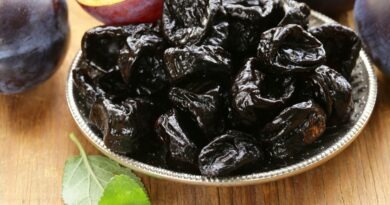
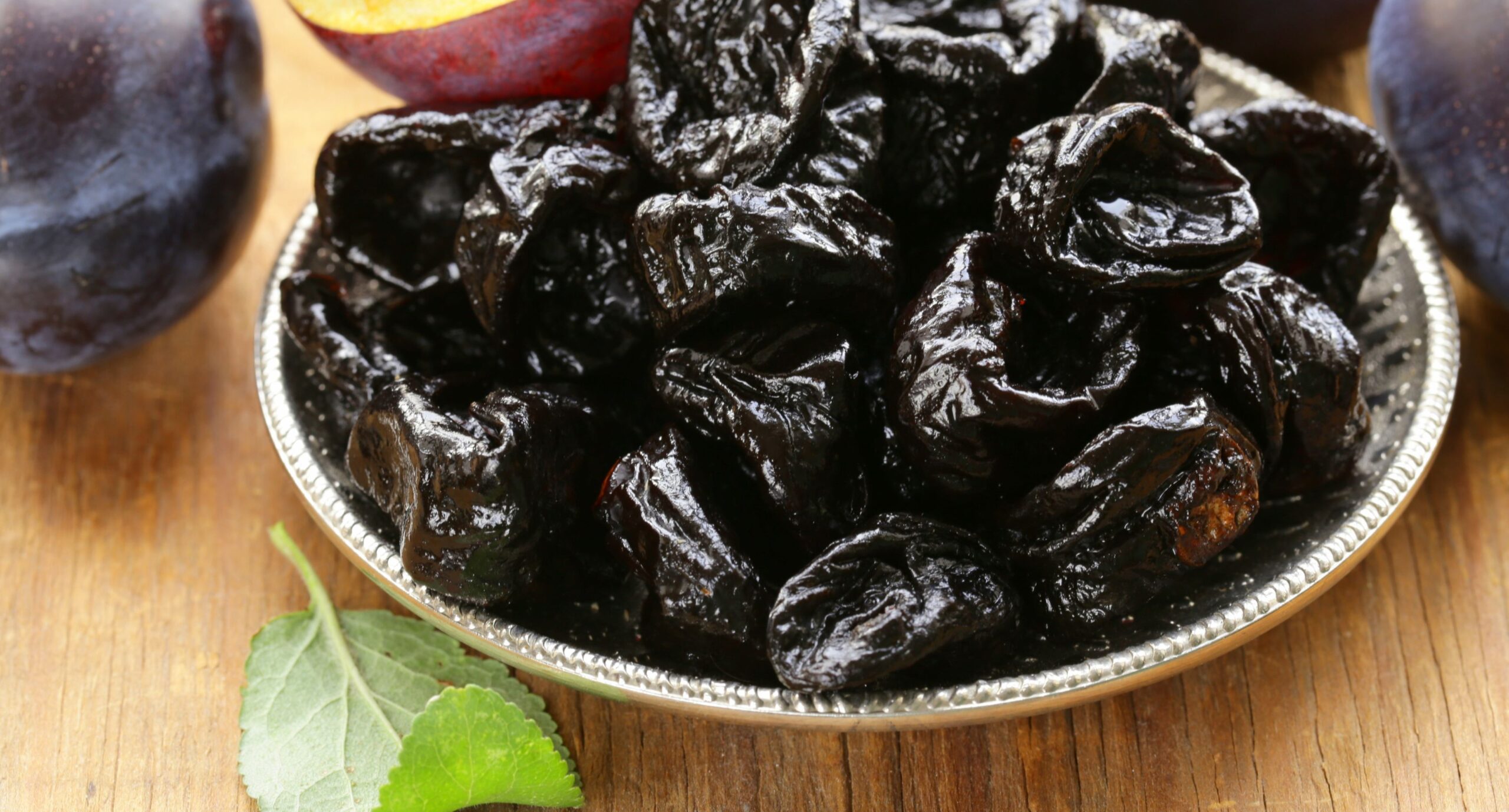
Since the 1300s, prunes have been prized for their ability to stimulate the bowels and get things moving naturally. But prunes are more than just natural laxatives. Turns out these nutrient-dense dried plums, aka prunes, also provide a safe, natural way to slow down bone loss in post-menopausal women with osteoporosis. Research shows five prunes a day helps keep the bone doctor away.
Since statistics show up to 50 per cent of women over age 50 have signs of osteopenia, bone mineral density that is lower than normal, increasing studies in non-pharmacological approaches have been underway. Research shows the prune intervention delivers results comparable to some pharmaceutical approaches to osteoporosis.
Here’s a quick snapshot on the anatomy and physiology of a prune, when it comes to preventing and, researchers even go so far as to say, treating, osteoporosis.
- Prunes are packed with anti-inflammatory compounds. Chronic inflammation is the culprit behind chronic disease and illness, including osteoporosis.
- Prunes work synergistically to improve the function of osteoblasts, the cells that build bones, while inhibiting osteoclasts – the cells that break down bones. Osteoporosis causes the osteoclasts to break down bones faster than osteoblasts can rebuild cells to replace the bone. Prunes intervene in the process.
- Prunes help to improve beneficial gut bacteria. Research in a 2022 study in the medical journal Advances in Nutrition, found that prunes have the potential to modulate inflammatory pathways, which affects bone gene expression.
Over 50 studies examine the potential of prunes for improving bone mineral density. A 2022 study – Prunes preserve hip bone mineral density in a 12-month randomized controlled trial in postmenopausal women: the Prune Study – published in the American Journal of Clinical Nutrition, is the largest study to date on prunes and bone health.
The Prune Study was a 12-month randomized control study of 235 postmenopausal women between the ages of 55 and 75.
The study found that eating five to six prunes daily for six months prevented total hip bone mineral density (BMD) loss, and preserved bone density in the group consuming 50 grams (5-6) of prunes daily, while the control group showed a loss of bone density at the six-month point. Researchers found improvements in bone biomarkers within three months of consuming prunes. By six months, inflammatory markers decreased and bone mineral density preserved.
Researchers conclude, “a 50-g dose represents a valuable nonpharmacologic treatment strategy that can be used to preserve hip BMD in postmenopausal women and possibly reduce hip fracture risk.”
(This information is not intended to replace medical advice and treatment from a health care practitioner).
Sari Huhtala is the creator, publisher and editor of Alive and Fit Magazine, which was created in 2007. She has over 25 years of experience in journalism and over 15 years of experience as a certified personal trainer and fitness instructor, and is a holistic chef, offering holistic cooking and edible wilds workshop, and My Farmacy workshops. She is an organic farmer, wild-crafter and grandmother, who has spent over 20 plus years navigating a holistic, healthy path for her family. Reach her at friends@thelaughingforest.ca
Photo credit: © Olga Kriger via Canva.com