Prebiotic fibre: the fuel that keeps your gut healthy
By Mercedes Kay Gold, CNP, CPT
A diet high in fibre is not health hype, but rather heaps of holistic happy gut goodness. When you consume prebiotic dietary fibre, it fuels the beneficial bacteria in your gut. The fermentation that follows as the good bacteria eats away at the fibre produces short chain fatty acids (SCFAs). SCFAs reduce inflammation in the colon, helping to manage symptoms of irritable bowel syndrome, according to the Institutes of National Health. SCFAs also help keep the cells that line the colon healthy and boost mineral absorption in the body.
Dietary fibre is one of the macros, a carbohydrate to be exact. Fibre is the part of a plant that our body can’t digest or absorb. Fibre is divided into two groups: soluble and insoluble. Most plants contain both, but in varying amounts. Soluble fibre dissolves in water to form a gel-like substance, and your fast pass to reduce LDL or bad cholesterol. Insoluble fibre does not dissolve in water, but creates a bulkier stool and leads to faster elimination.
A diet rich in both types of fibre may lower the risk of swollen veins in the anus and chance of hemorrhoids. Constipation is no fun. Fibre is also linked to a lower risk of colorectal cancer. Last but not least are prebiotics, a fermentable fibre fabulously feeding the microbiome. Happy gut, happy life.
How much fibre should we consume? Adults require 25 to 35 grams daily for optimal health. Fibre is your friend, forever linked to loving the biome, but fibre has boatloads of other body boosting benefits.
Eating an array of fibre binds to bad cholesterol and lowers cardiovascular risk.
Soluble fibre is a fabulous way to slow the absorption of sugar, helping lower the risk of type-2 diabetes.
Losing or maintaining weight naturally is not always easy. Fibre fills the tummy, satisfying cravings.
A highly processed diet is caloric dense and lacks fibre, leading to overeating, lack of energy and the onset of countless diseases. High fibre foods take longer to eat, especially raw produce, and contain less calories plus all that time spent chewing promotes satiety.
It’s possible to eat enough fibre without an over-the-counter replacement full of additives, preservative and colorings thanks to Mother Nature.
Eating a plethora of produce, legumes, whole grains, nuts, and seeds day-in-and-out is the goal.
Meal planning is the best way to support physical and mental health. Maintaining strong bones, muscle mass, cardiovascular and cognitive health equals functional and mental well-being for years to come.
Let’s add fantastic fibre!
For a breakfast smoothie, whether you sip or spoon the gut goodness, add hemp, flax, and chia seeds, not just a plant-based protein powder. Powders are processed. Whole food goodness is crucial.
Medjool dates are dreamy. Cut in half, remove the pit and in its place put a raw Brazil nut and dip in melted chocolate. Allow to harden in the fridge and ta-da the perfect guilt-free, fibre-packed snack.
Lunch and dinner salad sensations are easy with handfuls of seeds, nuts and chickpeas.
Nosh on cold bean salads and choose quinoa over white rice.
Organic popcorn is a very high fibre snack.
Top fruit picks include raspberries, pears and yes, an apple a day will keep the doctor away, but eating the skin is a must.
To all my home bakers, focus on organic whole wheat and coconut flour, old-fashioned oatmeal, psyllium fibre, chia, and flax over white flour.
Soup is a winter warmup. Bring a bounty of barley, broccoli and beans into the fold.
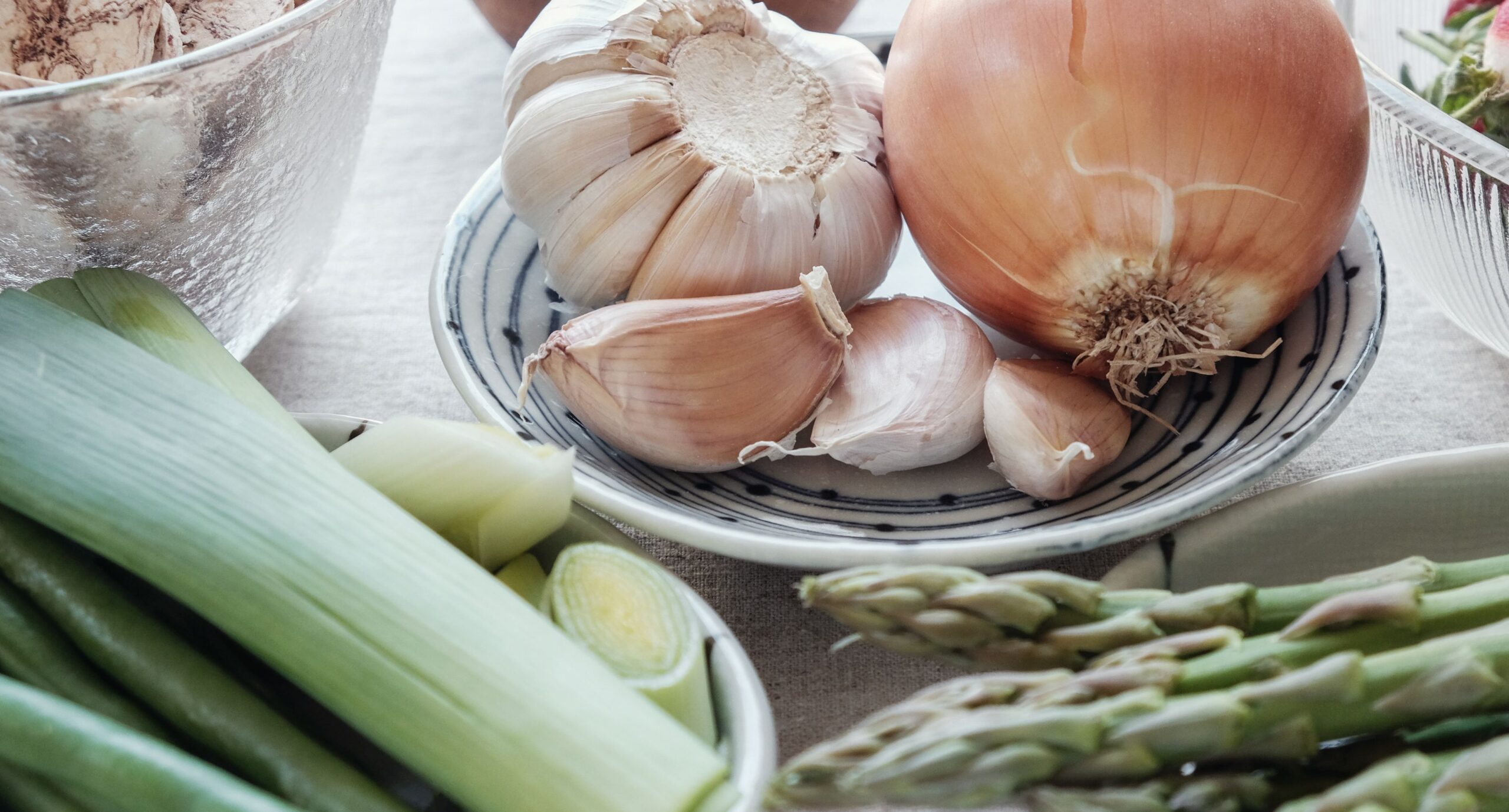
Prebiotic dietary fibre is powerful. Fall in love with inulin-rich leeks, garlic, onion, asparagus, dandelion greens and Jerusalem artichokes.
If life is busy and protein bars are a lifesaver, look for inulin fibre and chicory root in the list of ingredients for a full belly.
If your stool is dry, hard or breaks apart, add more soluble fibre. Top picks include psyllium, chia, ground flax, avocado, and pears. Don’t forget fibre has a bestie. Water helps soften the stool.
Psyllium husk is the only fibre that helps both diarrhea and constipation.
If things are moving slowly, insoluble fibre is your go-to, and top picks include wheat bran, popcorn, broccoli, walnuts and sweet potato skins.
For long term health, focus on whole foods and a whole lot of fibre. One last reminder, adding too much fiber too quickly causes bloating. Add about 3 grams daily to eliminate gas and not overwhelm your gut bacteria. For every 5 grams of fibre, drink an extra glass of water.
Mercedes Kay Gold is a Certified Personal Trainer and Certified Holistic Nutritionist who loves helping others live their best life when not spending time with her children and grandchildren, Theodore and Aila. She can be reached at mercedeskaygoldfitness@gmail.com
Photo credit: © ThitareeSarmkasat via Canva.com